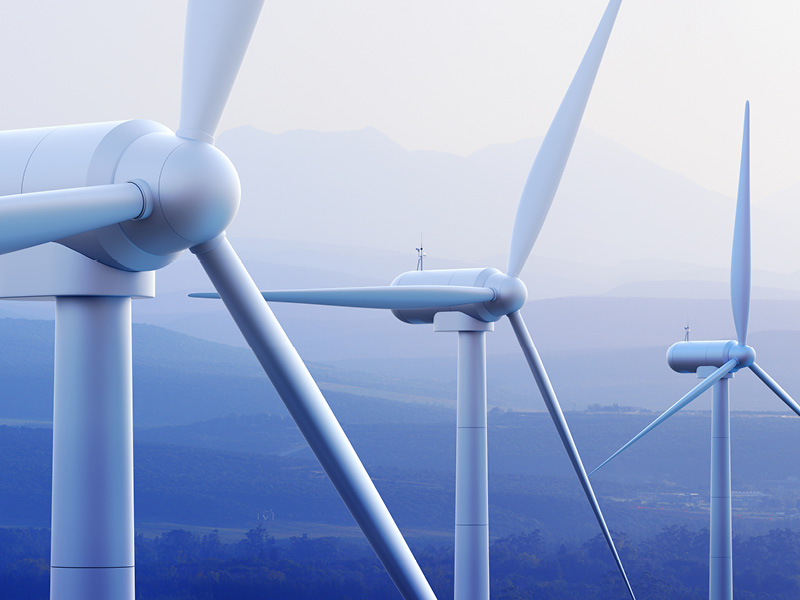
Can turbines built for coastal breezes endure the full range of American weather and still deliver dependable power? Energy analysts and investors increasingly ask that question as developers expand along the eastern seaboard and into harsher maritime zones. Performance under stress is a technical problem, and the experiences of one young operator, Drive Wise Innovations, offer an early case study in what those stresses reveal about reliability, maintenance demands, and operational strategy.
The physical challenges are straightforward, but varied. Block Island in the North Atlantic exposes turbines to cold winters, strong storms, and saltladen spray that accelerates corrosion. The Virginia and North Carolina Atlantic corridors present milder mean temperatures, yet they carry elevated hurricane risk, intense gusts, and rapid changes in wind direction and speed. Drive Wise’s footprint spans these climates, with more than 11 active turbines at Block Island, eight completed offshore projects along the Virginia coast in 2025, and an active offshore site off North Carolina. That geographic spread appears deliberate, driven by a view that eastern coastal wind resources are among the most consistent and lucrative in the United States.
Technical literature and industry practice identify several climate stressors that affect turbine availability and output. High sustained winds and gusts impose extreme mechanical loads that turbine control systems must manage, often through pitch control and active braking to protect gearboxes and blades. Saltwater exposure increases corrosion risk on towers, nacelles, and electrical components, requiring specialized coatings and sacrificial anodes to preserve structural integrity. In colder waters and nearshore zones, ice accretion on blades can reduce aerodynamic performance and cause unbalanced loads, so operators employ anti icing systems or temporary shutdown protocols when sensors indicate hazardous buildup. Hurricanes and severe storms bring another tier of risk, because turbines may face winds beyond design thresholds and waves that complicate offshore maintenance and access.
Industry responses to those stressors are mature and evidence based. Manufacturers now offer cold climate packages, heated leading edges, and sensor arrays to detect icing, while service contracts increasingly include predictive maintenance driven by real time condition monitoring. Corrosion mitigation is standard on offshore builds, with materials selection, coatings, and cathodic protection part of procurement specifications. Turbine control software has evolved to adapt rotor speed and blade pitch dynamically, reducing fatigue loads and preserving component life even in turbulent flows. These engineering measures raise up time on line, but they also raise costs, both upfront and in long term servicing.
Drive Wise’s operating choices suggest an attempt to balance those trade offs. Locating turbines at Block Island and along the mid Atlantic optimizes exposure to strong coastal winds, which increases annual energy yield per turbine and underpins revenue models sold to fractional investors. The company’s recent offshore completions on the Virginia coast and its North Carolina project indicate an operational focus on sites with proven resource quality, while their goal of managing 500 turbines by 2030 signals a push for scale that will test logistics, spare parts provisioning, and service capacity.
Maintenance demand varies by climate and by the technologies chosen. Cold season icing reduces generation hours where anti icing is absent, and salt corrosion accelerates replacement cycles when coatings fall short. Offshore hurricanes complicate access windows for crew transfer vessels and elevate insurance and contingency costs, even as stronger winds in nonstorm seasons lift annual production. For a developer like Drive Wise, the reliability equation therefore depends heavily on procurement and vendor relationships, specifically which turbine platforms they install, how robust service agreements are, and how advanced their monitoring and predictive maintenance systems prove to be.
Early operational records from comparable coastal projects show that robust design, rigorous maintenance, and conservative operational protocols can achieve high availability over years. Yet those records also show the cumulative wear that harsh climates impose on components. The metrics that will matter most for Drive Wise are not promotional claims but multi year availability statistics, mean time between failures for drivetrain components, and the frequency of weather forced curtailments across sites.
Drive Wise’s geographic strategy demonstrates a calculated choice to chase resource quality while exposing equipment to a range of environmental stressors. That approach can deliver strong generation per turbine when engineering and servicing keep pace. The tension lies in scaling those practices across hundreds of units while preserving uptime and controlling lifecycle costs.
The current data on offshore and coastal turbine reliability is encouraging enough to justify continued investment and experimentation, yet the true test for companies such as Drive Wise will arrive gradually, as their portfolio ages and components accumulate years of exposure to salt, storms, ice, and gusty winds.
Back to Volt Journal
Wind vs. Weather: How Reliable Are Drive Wise Innovations' Turbines in Different Climates?