Clean Energy Focus: how charging stations can become smart energy hubs is an important topic for readers following clean energy, mobility, infrastructure, and sustainable development. This article explains the opportunity in practical language and shows why Ev infrastructure deserves serious attention from businesses, governments, communities, and investors.
Why this topic matters now
EV infrastructure determines whether electric mobility feels convenient or risky. Drivers need dependable charging at home, work, public spaces, highways, and fleet depots.
The strongest results usually come when technology is connected with real user needs. That means looking beyond headlines and asking how the solution will be financed, installed, operated, maintained, and trusted by the people who depend on it.
Business and community opportunities
Smart charging can reduce grid stress by controlling when and how vehicles charge. This helps utilities manage demand and allows EVs to work better with renewable power.
The strongest results usually come when technology is connected with real user needs. That means looking beyond headlines and asking how the solution will be financed, installed, operated, maintained, and trusted by the people who depend on it.
Infrastructure and planning requirements
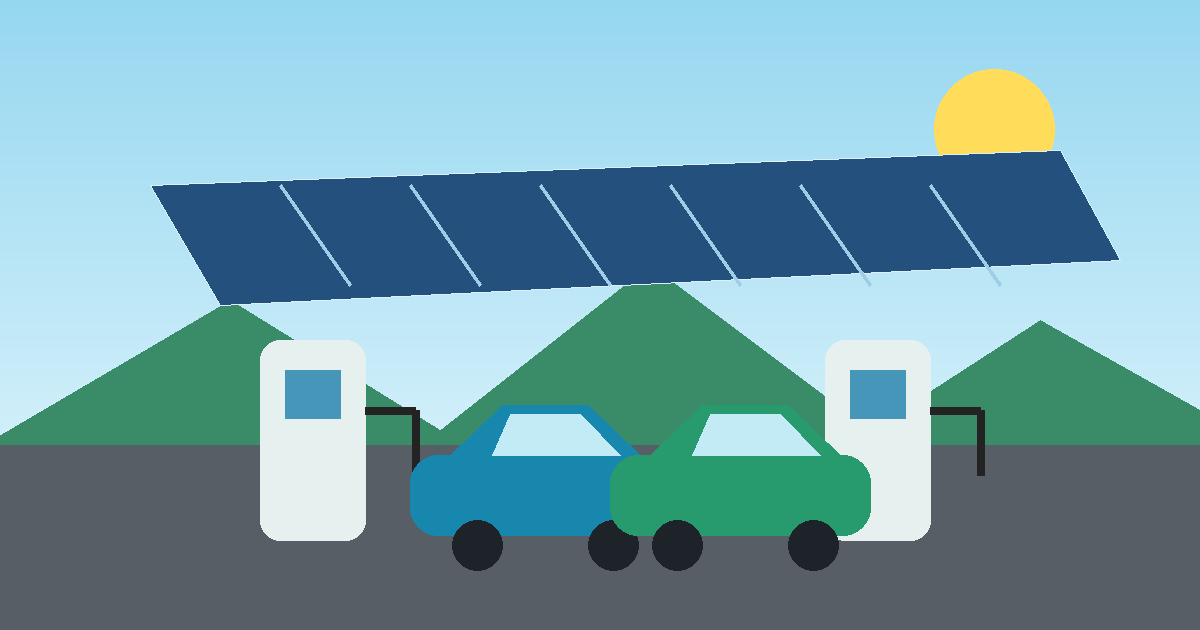
Charging stations can become energy hubs that combine grid power, solar panels, battery storage, payment systems, retail services, and vehicle diagnostics.
The strongest results usually come when technology is connected with real user needs. That means looking beyond headlines and asking how the solution will be financed, installed, operated, maintained, and trusted by the people who depend on it.
Risks that must be managed
Ev infrastructure needs proper planning, financing, operations, and maintenance. Poor implementation can create disappointing results, even when the technology itself is strong.
The strongest results usually come when technology is connected with real user needs. That means looking beyond headlines and asking how the solution will be financed, installed, operated, maintained, and trusted by the people who depend on it.
What readers should watch next
For Future Power & Agriculture Magazine, the main issue is not only the technology trend but how it affects cost, reliability, energy access, local jobs, and long-term value.
The strongest results usually come when technology is connected with real user needs. That means looking beyond headlines and asking how the solution will be financed, installed, operated, maintained, and trusted by the people who depend on it.
Conclusion
Ev infrastructure will continue to shape the future of cleaner and smarter systems. Organizations that prepare early, choose quality solutions, and focus on long-term reliability will be better positioned to benefit from this transition.